
Investment Property Risk Reduction Using Certified ALTA Survey Documentation Review
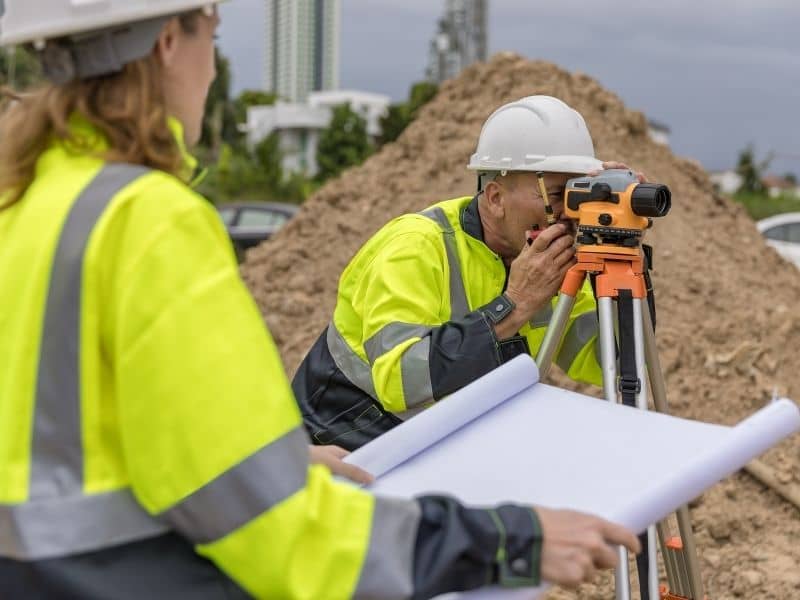
Investors weigh risk against return before they write a check. That process only works when the property facts on paper match the property facts on the ground. Certified ALTA survey documentation gives investors that alignment. The report combines field measurements, corner locations, easements and title data into one certified record that speaks the same language as the underwriting model. Skipping the review invites surprises after closing. Working the document into the diligence timeline early lets investors spot risks before those risks turn into losses.
Reviewing ALTA Documentation Before Investment Approval
An investment committee wants numbers and evidence, not sales pitches. The ALTA package delivers both in one certified format. Analysts pull the boundary data, easement locations and improvement plots directly into their underwriting review. That gives the committee a defensible foundation for approving or rejecting the deal.
Certified documents also carry weight with capital partners. Equity sponsors and debt providers look for third-party proof before they commit funds. A stamped ALTA report signals that a licensed surveyor has taken responsibility for the findings. That level of accountability shortens the internal review cycle and reduces back-and-forth between the sponsor, the lender and the operating team.
Investors who skip this step often pay for it later. A missing easement can force a redesign after closing, and an unrecorded encroachment can lead to a legal fight the underwriting never accounted for. Reviewing certified documents up front keeps those risks out of the acquisition.
Finding Property Conditions That Could Affect Asset Value
Asset value ties directly to what the property can deliver. A parking lot that looks large in a listing photo may leave the site short on required stalls once the survey plots them correctly. A parcel marketed as five acres may have half an acre locked in easement corridors that cannot support new construction. These findings change value on the spot.
The ALTA report shows physical conditions the marketing did not mention. Common concerns include:
- Access points that limit truck flow or drive-through traffic
- Easements that reduce buildable area or lock in service corridors
- Improvement placement that sits closer to lines than local zoning allows
- Setback lines that shrink the developable footprint
Each item can lower net operating income or cap future expansion. Investors compare the findings to their financial model and adjust the offer, loan amount or operating assumptions to match reality.
Comparing Survey Findings With Investment Assumptions
Underwriting starts with assumptions about lot size, parking count, building footprint, access geometry and room to grow. The pro forma runs on those numbers. If any of them turn out wrong, the whole return profile changes. The ALTA survey lets investors test each assumption against certified field data before the wire hits.
Comparing the survey to the underwriting sheet often reveals gaps. A pad site marketed for a 15,000-square-foot expansion may only fit 11,000 square feet once the survey plots the setback lines. A parking count that looked comfortable may fall short of the tenant’s lease requirement. These are the kinds of surprises that eat into rent revenue or force costly redesigns after closing.
Smart investors treat the ALTA review as an underwriting checkpoint. Careful analysis of the report catches problems before the deal closes and gives the investor leverage to reprice the offer or negotiate seller concessions.
Reducing Lender and Title Delays Through Certified Survey Review
Commercial closings run on tight schedules. Every day of delay adds carrying cost and pushes back the income clock. Lenders and title companies raise most delays with questions that require survey clarification. Reviewing the ALTA documentation early lets the investor answer those questions before they slow the deal.
An investor who has already walked through the report can respond quickly when the lender flags an easement question. The attorney can pull the exact page reference from the survey and hand it to the title company within hours instead of days. That kind of response speed keeps the closing calendar on track and cuts the risk of a rate lock expiring.
Early review also flags issues that need seller action before closing. The seller may need to reset a missing corner monument. An unrecorded improvement may call for a lender endorsement. Catching these items during due diligence gives everyone time to fix them without a last-minute scramble.
Using ALTA Survey Records for Long-Term Property Risk Management
A closed deal is only the start of the ownership cycle. The ALTA record does not lose value after the wire clears. Investors who keep the documentation in their property files gain a reliable reference for every stage of ownership. That reference supports refinancing, lease review, redevelopment planning and dispute prevention.
Refinancing lenders often ask for a current survey. When the last certified ALTA sits in the file, the investor can move faster on the refinance and skip fresh fieldwork if the survey still holds up. Redevelopment plans also lean on the survey for accurate site data. Architects and civil engineers pull boundary and easement details straight from the record instead of ordering new fieldwork.
A boundary dispute five years after closing wraps up quickly when the certified survey shows what the parcel looked like at purchase. Lease audits, tenant expansions and property tax appeals often trace back to survey data. Keeping the file organized turns a one-time deliverable into a lasting asset for the ownership team.
Frequently Asked Questions
How does an ALTA survey reduce investment property risk?
The survey provides a certified record of boundaries, easements, improvements and access details. Investors use that record to catch issues that could affect value, use or title before closing.
Why should investors review ALTA survey documentation early?
Early review builds time into the schedule for questions and follow-ups. Investors who wait until the final days lose the ability to reprice, request repairs or walk away from a bad deal without added cost.
Can ALTA survey findings affect investment value?
Yes. Findings may reveal limits on usable land, access constraints or improvement placement issues that affect what the property can support. Each factor ties directly to net operating income and long-term value.
Who reviews ALTA survey documents during an investment purchase?
Investors, lenders, attorneys, title companies, asset managers and sometimes developers review the documents during due diligence. Each party looks at the report through the lens of their own role in the transaction.
How can ALTA documentation help after the property is purchased?
The record supports refinancing, resale, redevelopment planning, lease audits and long-term risk review. Keeping the document in the property file gives the owner reliable reference data for every decision that touches the boundary.